Global sourcing has evolved past simply locating the lowest-cost or the fastest-growing supplier. Today’s buyers face a complex range of problems: disruptions in supply chain operations, quality concerns, sustainability expectations, and ever-changing market conditions. In this environment, a B2B market that is solid is more than an ease of use. It’s necessary for businesses to transact across borders.
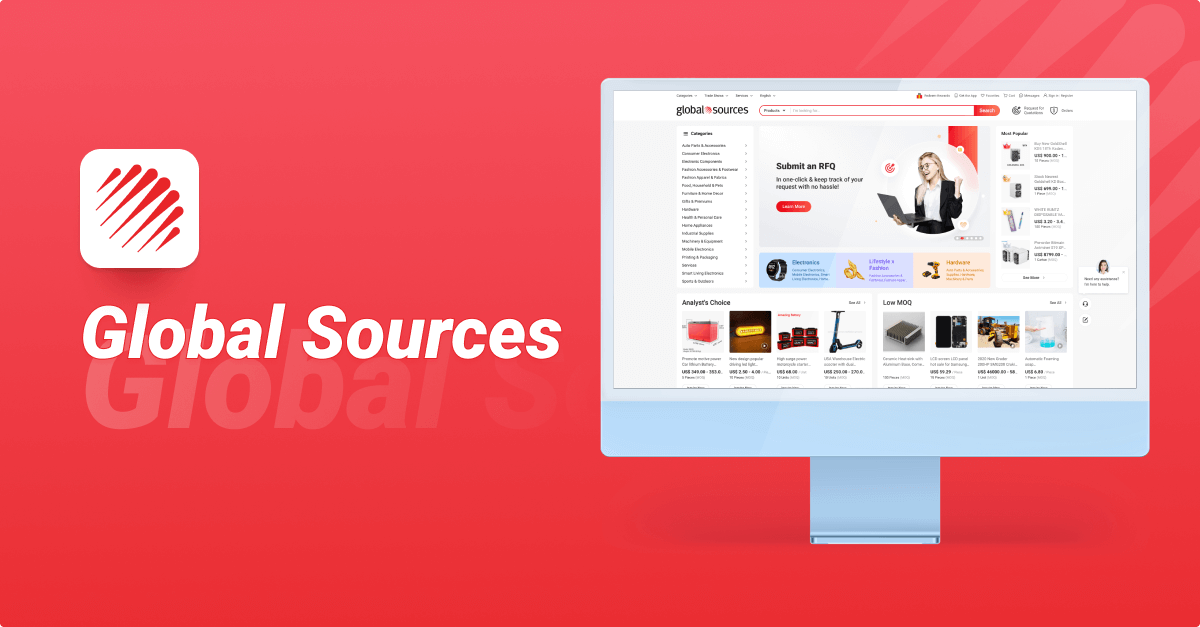
A modern B2B sourcing platform has been created to address real-world issues. Instead of overwhelming buyers with endless lists it is focused on connecting genuine buyers to confirmed suppliers who are willing to establish long-term relationships. The shift from quantity to quality has fundamentally changed the way in which global trade relationships are constructed and maintained.
Moving beyond simple supplier listings
The old sourcing strategy is based on cold outreach, insufficient data and an assumption. Buyers would spend weeks trying to determine and compare suppliers’ capabilities as well as assessing risk. By providing transparent product information as well as pre-verified supplier profiles a well-structured B2B marketplace for websites can cut out all the hassle.
Context is what adds real value. Market intelligence and analysis of market trends, and expert insight help buyers not only understand what they need to purchase, but also when and why. This helps companies anticipate price fluctuations as well as new business opportunities.
The Advantages of an Offline-to Online Sourcing model
Human interaction plays an essential part in establishing trust, even although digital tools dominate modern sourcing. The Online-to Offline (O2O) model is a fantastic tool for this. The Online-to-Offline (O2O) model allows buyers to research suppliers online and narrow down their choices quickly. They can then build relationships with them by attending offline events like trade shows and business meetings.
In many cases the decision-making process is more quickly when one experiences the product in person and talks about customization options with the seller. This offline experience can be enhanced when apps, digital platforms for mobile devices and central communications tools are used.
Helping buyers through the entire purchasing journey
When a buyer is able to find an appropriate supplier, a solid B2B platform doesn’t disappear. It is able to continue to offer value through tailored recommendations, customized programs for buyers, as well as community-driven projects. These features help buyers explore new categories, discover new products and get access to opportunities they may otherwise overlook.
The incentive programs and buyer communities can also help create a sense continuity. They promote long-term relationships, sharing of knowledge, and repeated interactions, instead of just one-off transactions. As time passes, this ecosystem approach builds trust and improves the outcomes of sourcing for all parties involved.
Making Sense of a Changing Market Market
Global trade is constantly influenced by changes in the economy, regulatory updates, and the changing expectations of consumers. A customer-centric B2B online marketplace adapts alongside these changes by expanding digital capabilities, refining matching algorithms, and enhancing data-driven insights.
Sustainability is becoming an increasingly important consideration. Buyers are now looking for suppliers who have ethical business practices and are committed to responsible manufacturing. Modern sourcing platforms provide transparent and sustainable options to aid businesses in meeting their social and commercial obligations.
Building Trusted Partnerships to create Long-Term Value
A successful B2B platform is built upon trust. Trust in the authenticity of suppliers and accuracy of information and confidence in the platform’s commitment to the long-term benefits. These factors combine to change sourcing from a slow and risky process to an advantage.
A reputable B2B marketplace provides businesses with more than access to the market. It also provides them with the confidence to make decisions. It gives you the confidence to make educated decisions as well as to establish lasting partnerships and thrive in a more interconnected global economy.